
Notes on faith and finance
Short, sourced articles on the questions families bring to us: giving from an IRA or with stock, passing on a California home, taxes on company stock, and what Scripture says about money. Each post names its sources.
 Biblically Responsible Investing vs ESG: What Differs?Biblically responsible investing screens investments against a faith-based standard. ESG investing looks at environmental, social and governance factors, which funds define in different ways. Both use screens, but they start from different questions. Neither promises results, and you should read what any fund says it does.Read
 California Has No Estate Tax. Why You Still Need a TrustCalifornia does not require a state estate tax return for deaths after December 31, 2004. The 2026 federal exemption is $15 million. Even so, families still plan with a trust and other documents because taxes are only one reason. Probate, incapacity, home ownership and family wishes matter too. Ask your attorney which tools fit.Read
 Gift Appreciated Stock or Sell First? How to DecideGiving appreciated shares you held more than one year to a qualified charity usually lets you deduct the fair market value and avoid selling the shares yourself. Selling first creates a capital gain tax bill on the growth. Your holding period, itemizing status and the charity's ability to accept stock all matter.Read
- Giving to Bay Area Churches and Ministries, Tax-AwareChurches are qualified organizations under IRS rules, so gifts to them may be deductible if you itemize. Keep a written acknowledgment for any gift of $250 or more. Cash, gifts from an IRA after age 70½, and appreciated stock each follow different rules. Ask your CPA which way fits your year.Read
 ISO Exercise and AMT: Questions to Ask Before You ExerciseExercising incentive stock options (ISOs) creates no regular income tax when you exercise. But the IRS says you may owe alternative minimum tax in the year you exercise, even if you keep the shares. The difference between the stock's value and your cost is an AMT adjustment. Run the numbers with a CPA first.Read
- Prop 19 and the Family Home: Parent-Child TransfersUnder Prop 19, a child keeps a parent's low property tax base only if the home was the parent's principal residence and becomes the child's. The base is protected up to the old taxable value plus $1 million, adjusted every two years. Rental homes no longer qualify. The claim is due within three years.Read
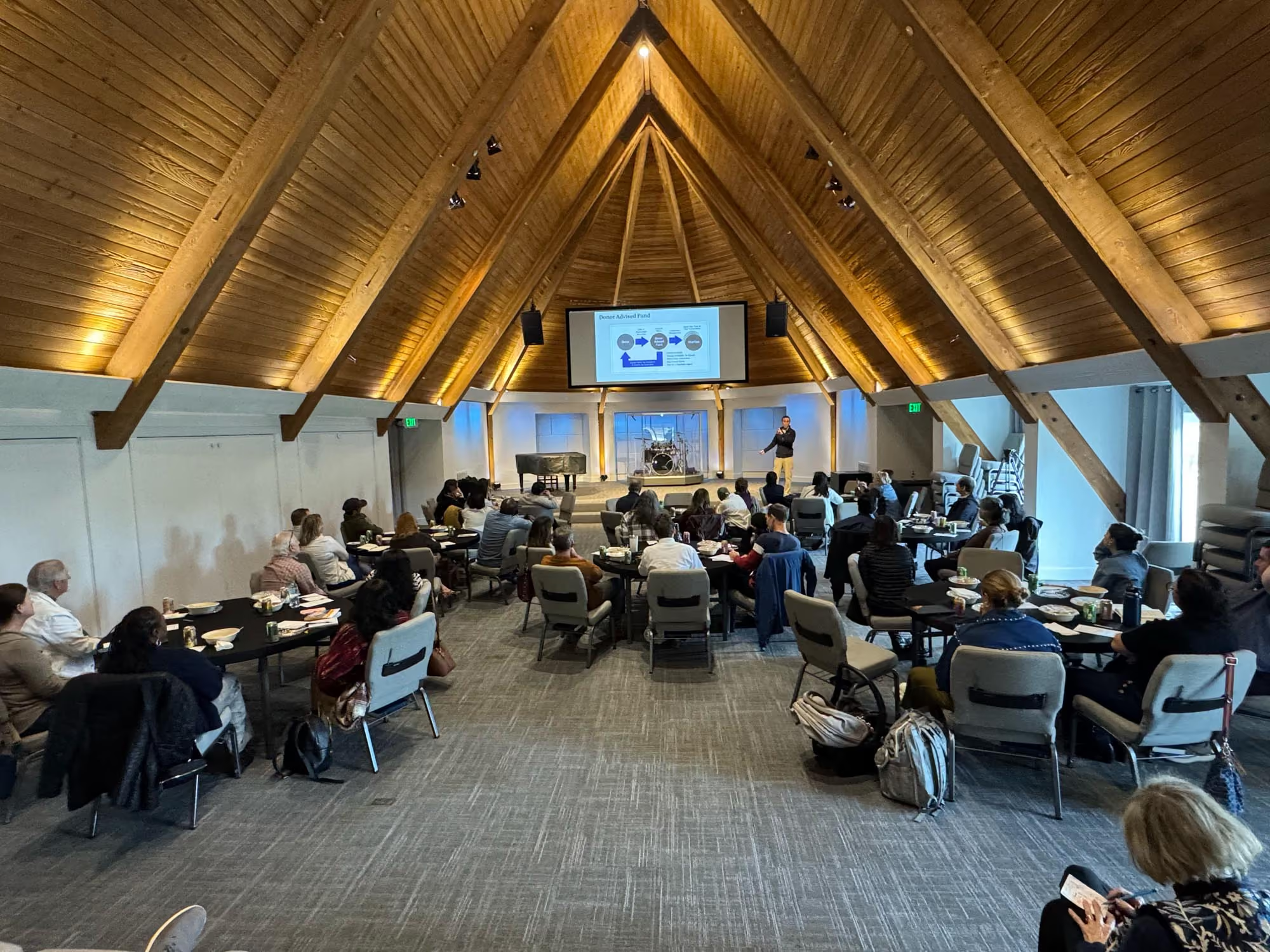
- QCD or DAF: Two Ways to Give From Retirement SavingsA qualified charitable distribution sends money straight from your IRA to a charity. It may be nontaxable, but you cannot also deduct it. A donor-advised fund takes a gift now, may give you a deduction if you itemize, and lets you recommend grants later. They solve different problems.Read
- RMD Age Is 73: What That Means for Your GivingThe IRS says you generally must start taking withdrawals from your IRA or retirement plan at age 73. Those withdrawals add to your taxable income. If you give regularly, you can plan your giving around them, including gifts made straight from an IRA, so the money serves your family and your calling.Read
- RSU Year-End Tax Checklist for Bay Area EmployeesThe IRS taxes stock you receive for work when it becomes substantially vested, which is when RSUs generally count as income. Federal withholding on supplemental wages is 22% for 2026, and that may differ from your actual rate. Check your withholding before December 31 and ask your CPA how your plan applies.Read
- Tithe on Gross or Net? A Planner's Look at the QuestionFaithful Christians hold different views. Some tithe on gross income, some on net, and some say the tithe is not required for Christians today and give by a different standard. Scripture does not settle the math for everyone. Pray, talk with your pastor, then pick a standard and keep it.Read
Ready to experience what faith-guided financial planning feels like?
We work with families who have more than $1 million in investible assets and are looking for a long-term, high-trust advisory relationship. If that sounds like you, let’s start with a conversation.
